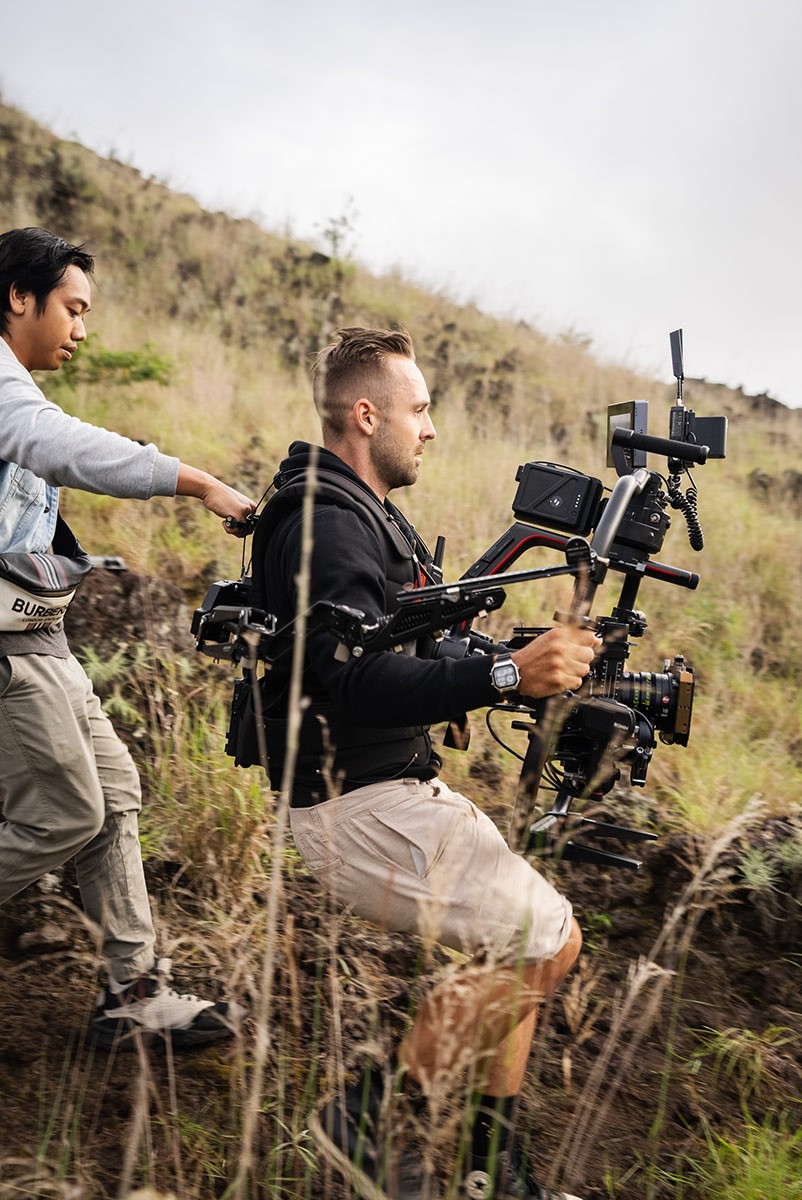
Shooting commercial and luxury campaigns in Bali as a DOP requires managing three specific conditions: equatorial light that compresses golden hour to 30–45 minutes at sunrise and sunset, humidity of 80–90% that causes lens fogging and accelerates equipment wear, and complex location logistics across a geographically diverse island. DOPs embedded in Bali with multi-year shooting experience consistently outperform visiting cinematographers on efficiency, creative decision speed, and on-location problem-solving.
The island rewards DOPs who understand its particular conditions, and it exposes those who underestimate them. The light moves differently here. The humidity changes how equipment behaves. The locations that look extraordinary in a scout photograph require a different kind of planning to shoot within a client's timeline.
This is what experienced DOPs working in Bali actually deal with, and how they use those conditions to create content that looks like nowhere else.
The Light Problem and the Opportunity
Bali sits eight degrees south of the equator. That single geographical fact shapes every outdoor production on the island.
Equatorial sun is direct and harsh. By mid-morning, it is overhead, and by midday, it creates shadows that are flattering to no one and nothing. The window of cinematic natural light, the golden hours that commercial cinematographers build their schedules around, is compressed. Sunrise lasts approximately 30 to 45 minutes before the light gets harsh. Sunset gives you a similar window in the evening. Outside those windows, outdoor shooting in direct sun requires significant intervention: diffusion, flagging, or the discipline to find shade and work within it.
This is not a problem unique to Bali, but the intensity and speed of the light transition here is more dramatic than in higher latitudes. A DOP who has not worked in equatorial conditions will lose those windows while still setting up. One who has learned to pre-rig, pre-light, and be ready to shoot before the light arrives.
The opportunity side of this is equally significant. When you catch equatorial golden hour light, particularly against Bali's volcanic terrain, rice terraces, or coastal clifftops, the quality is unlike anything achievable in a studio or in softer northern light. It is warm, directional, and saturated in a way that registers immediately as cinematic on screen. The brands that produce in Bali are chasing that specific quality of light. Getting it consistently requires a DOP who has learned to work with the island's rhythms rather than against them.
Humidity, Equipment, and the Conditions No One Mentions
Bali's humidity sits at 80 to 90 percent for most of the year. For crew and equipment, this creates conditions that production teams from drier climates are rarely prepared for.
The most common issue: lens fogging. Moving a camera system from an air-conditioned vehicle or interior into the open, humid air causes immediate condensation on glass elements. For a DOP expecting to step out of a production van and shoot, this means a two to five-minute wait for optics to equilibrate, which in a tight golden hour window is significant. Experienced Bali DOPs keep equipment at ambient temperature rather than storing it in cooled environments during shooting days.
Batteries discharge faster in heat. Monitors bloom in direct sun, making exposure judgments harder without a hood. Mechanical stabilizers need more frequent calibration. Actors and talent sweat faster, which affects makeup and wardrobe continuity. None of these are insurmountable problems; they are conditions that experienced productions plan for and inexperienced ones discover on the day.
Rain is the less predictable variable. Bali's wet season runs from November through March, but localised rain can occur in any month, particularly in highland locations like Ubud and the surrounding regencies. The professional approach: weather cover as standard, not optional, and location selections that include a sheltered contingency for every outdoor setup.
Shooting Luxury Hospitality in Bali
Luxury hospitality content has its own specific demands that sit on top of the general challenges of shooting in Bali's environment.
Hotels and resorts are operating businesses. A production shooting in a live property must move efficiently, minimise disruption to guests, and deliver results that meet the aesthetic standard of a luxury brand, which means nothing can look improvised, crowded, or rushed. That requires a DOP who can light quickly, read a space without extended setup time, and adapt when the room that was promised for the morning shoot is suddenly occupied by a late checkout.
Interior hotel shooting presents a consistent technical challenge: mixed light sources. A luxury villa typically combines tungsten practicals, daylight from large windows, and LED architectural lighting, each at a different colour temperature. Managing this mixture without letting it read as confusion on screen requires both the technical knowledge to correct it and the aesthetic judgment to decide which sources to embrace and which to kill.
F&B content in tropical heat has its own set of problems. Ice melts. Fresh produce wilts. Dishes that looked perfect in the kitchen look different under production lights at 30 degrees. A Bali DOP working in hospitality content learns to work fast on food setups and to build ice and refrigeration logistics into the production plan.
Location as a Creative Decision
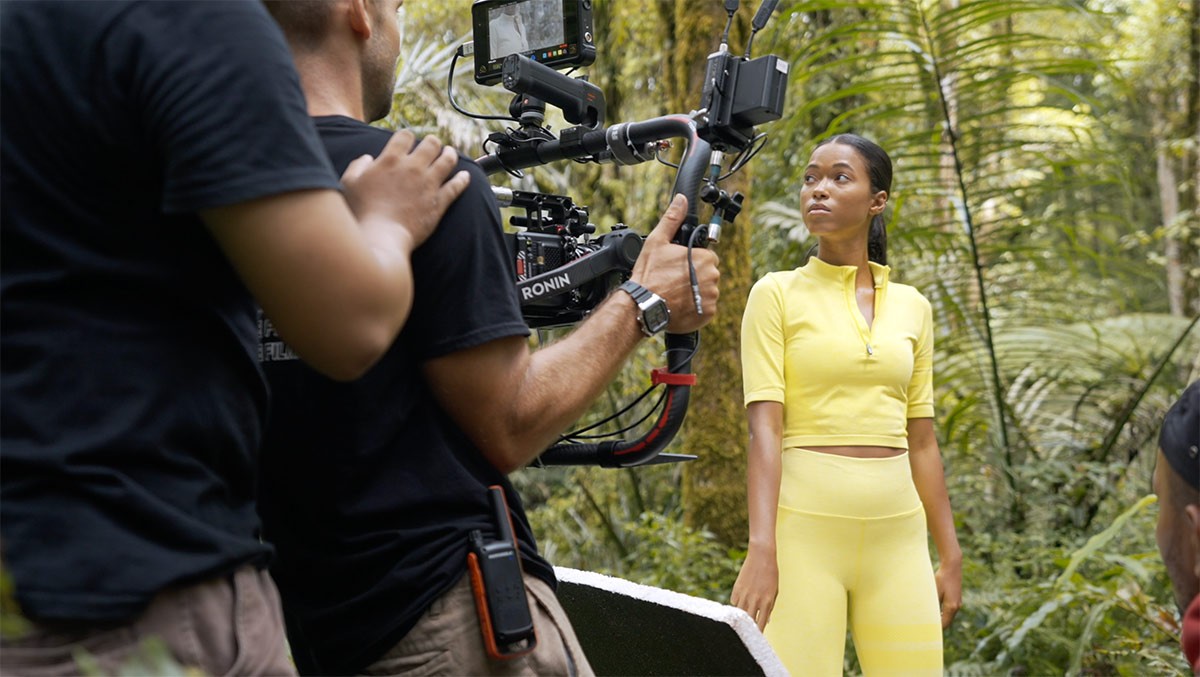
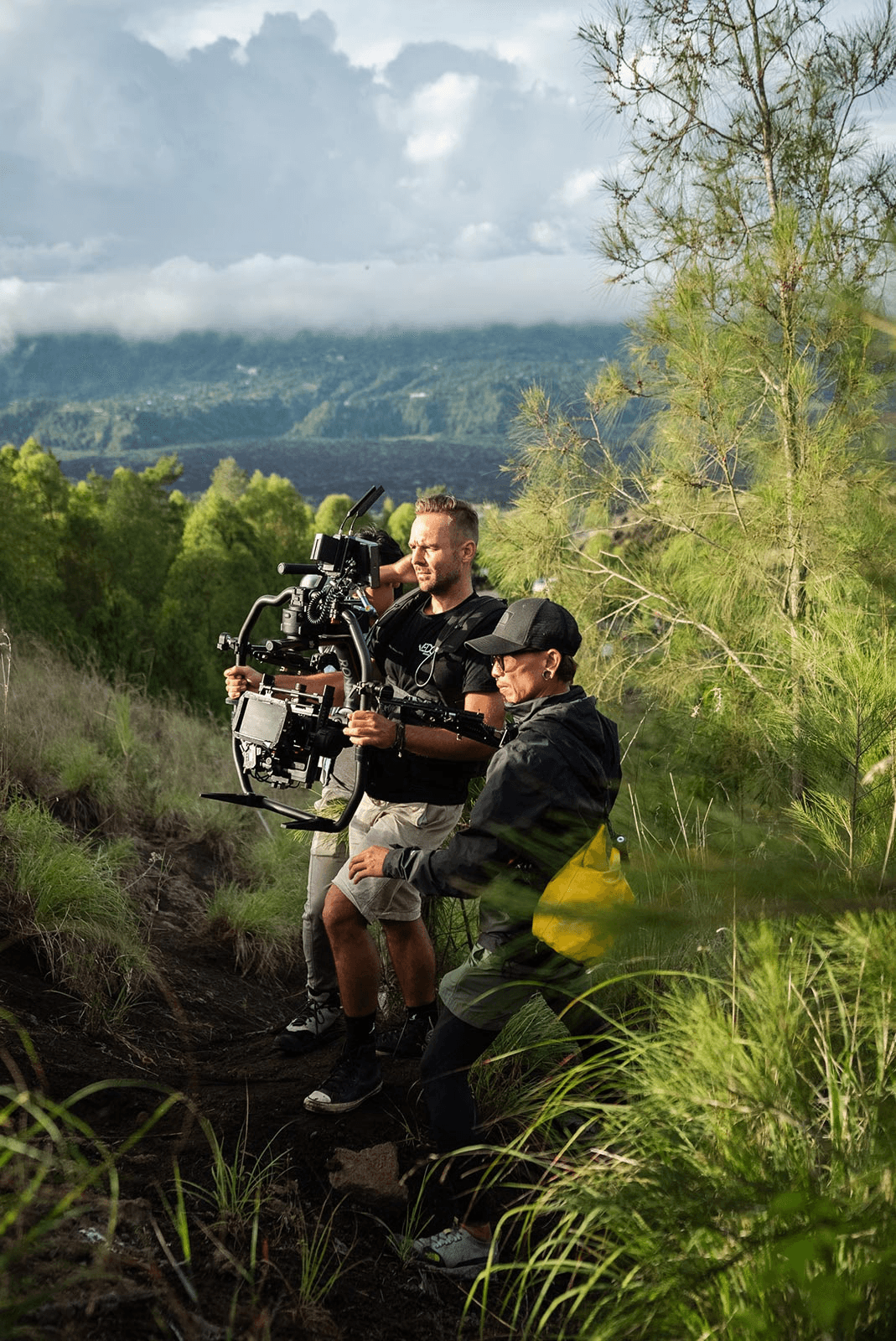
In most production markets, the DOP arrives at a location that a producer or location manager has locked. In Bali, the best cinematographers are involved in location decisions because a location's specific qualities directly determine what is achievable with the camera.
Two rice terrace locations can look completely different at the same time of day, depending on aspect, elevation, and surrounding vegetation. Two coastal cliffs can offer opposite light angles at the same golden hour. A DOP who knows the island's locations, who has shot them in different conditions and different seasons, brings a kind of knowledge to pre-production that cannot be replaced by looking at photographs.
This is one of the reasons the collective model works so well for production in Bali. When your director and DOP have worked the same locations across multiple campaigns and multiple years, creative decisions accelerate. The conversation on a scout becomes shorter because both parties already understand what the camera can do in that environment.
What to Look for in a Bali DOP
If you are bringing a production to Bali and evaluating cinematographers, the questions that matter most are not about equipment or credits. They are about specific experience:
Have they shot in Bali's highland locations, Kintamani, Munduk, the Bedugul region, where conditions differ meaningfully from coastal Bali? Have they worked in operating luxury properties under commercial time pressure? Do they understand the permit requirements for the specific location types in your brief? Have they built shooting schedules around equatorial light rather than importing a schedule that assumes northern European or Australian light conditions?
A DOP's reel tells you what they have achieved. The conversations above tell you whether they can achieve it on your production, in your locations, on your timeline.
We Do Creative's Approach
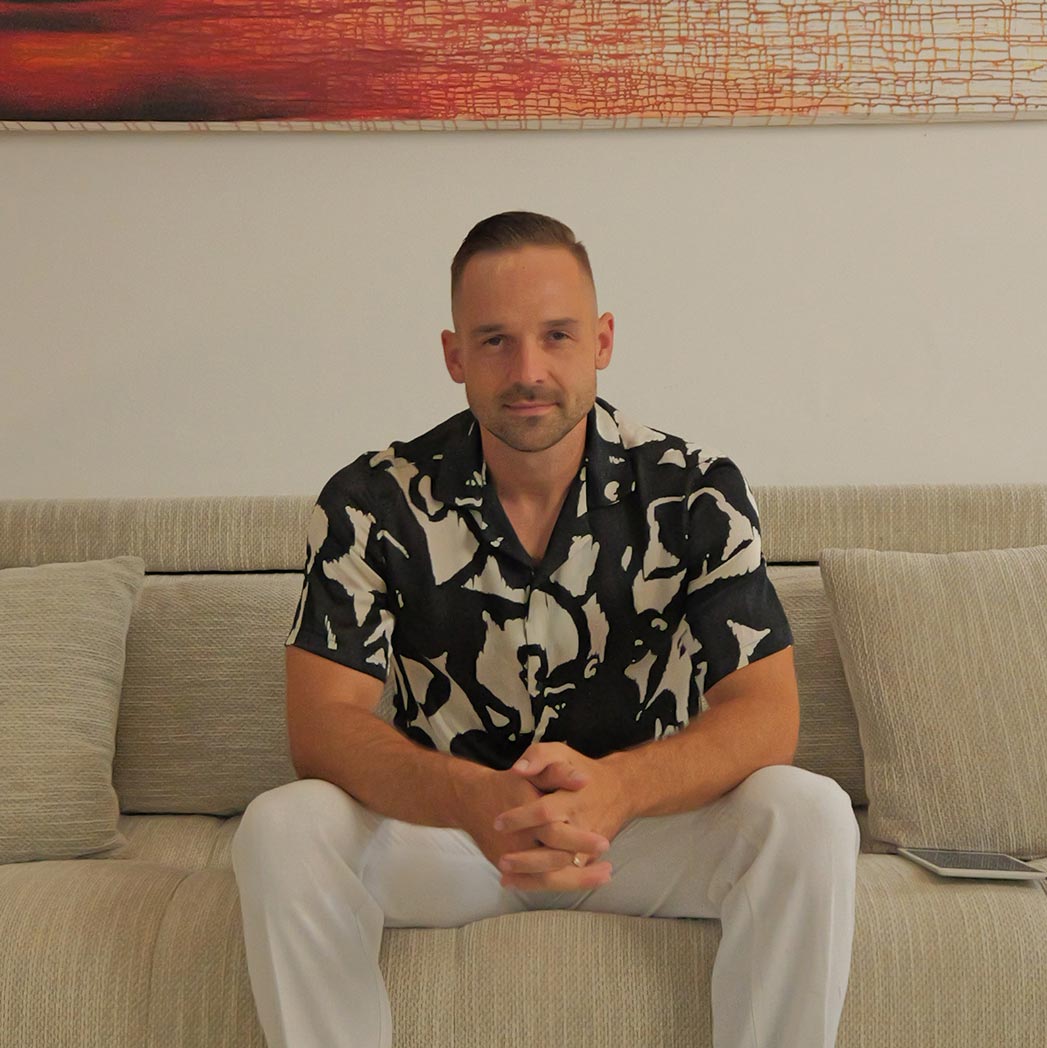
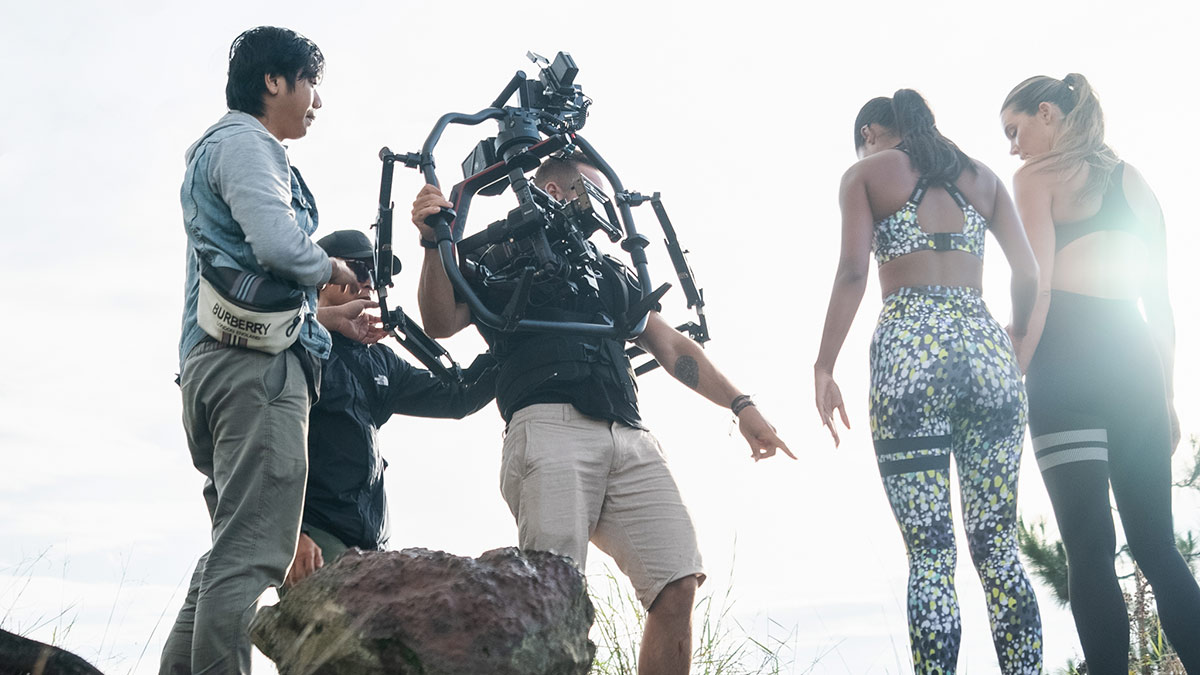
At We Do Creative, our directors and DOPs are embedded in Bali, not visiting. The difference between a cinematographer based on the island and one flying in for a production is measured in location knowledge, crew relationships, permit familiarity, and the kind of instinctive understanding of the light that only comes from shooting here consistently over years.
If you are planning a production in Bali and want to understand what our cinematography team can deliver, start the conversation. We will tell you exactly what is achievable in your locations, your timeline, and your budget.
Frequently Asked Questions
What are the biggest challenges for a DOP shooting commercially in Bali?
The three primary challenges are: equatorial light (cinematic golden hour windows of just 30–45 minutes at sunrise and sunset, with harsh overhead sun from mid-morning onward), humidity (80–90% year-round causes lens fogging when moving from cooled environments to the open air, faster battery discharge, and harder exposure monitoring on monitors bloomed by direct sun), and location logistics requiring precise pre-planning for crew transport, equipment, and weather contingency across a diverse island geography.
What is the best time of day to film commercial content in Bali?
The cinematic shooting windows in Bali are approximately 30–45 minutes after sunrise and 30–45 minutes before sunset — equatorial golden hours that produce warm, directional, heavily saturated light, particularly effective against volcanic terrain, rice terraces, and coastal clifftops. Outside these windows, midday sun is harsh and overhead. Professional DOPs in Bali build production schedules entirely around these windows and use diffusion, flagging, or shaded locations for any necessary mid-day work.
How does humidity affect film production equipment in Bali?
Bali's 80–90% ambient humidity causes lens fogging when camera systems move from air-conditioned vehicles or interiors into the open air — requiring a 2–5 minute equilibration window that is costly inside a 30-minute golden hour. Humidity also accelerates battery discharge in heat, causes monitor bloom in direct sunlight that makes accurate exposure judgement harder, and requires more frequent mechanical stabiliser calibration throughout the shoot day. Experienced Bali productions keep all equipment at ambient temperature rather than in cooled storage during shoot days.
What should you look for when hiring a DOP in Bali?
Prioritise specific Bali field experience over general credits: shooting in highland locations including Kintamani, Munduk, and the Bedugul region (where conditions differ meaningfully from coastal Bali), operating efficiently in live luxury hospitality properties under commercial time pressure, demonstrated knowledge of permit requirements for your specific location types, and scheduling discipline built around equatorial light rather than northern European or Australian production assumptions. A reel shows what they have achieved; these questions reveal whether they can achieve it on your production, in your locations, on your timeline.
How does equatorial light in Bali differ from filming in Europe or Australia?
Bali sits 8 degrees south of the equator, making the sun significantly more direct and overhead than at higher latitudes. Golden hour light transitions are faster and more dramatic, with a much narrower window than the extended, gentle golden periods common in Europe or Australia. When caught correctly — particularly against Bali's volcanic terrain, rice terraces, or coastal clifftops — equatorial golden hour light is warm, directional, and saturated in a way that is genuinely difficult to replicate in a studio or in softer northern-latitude light conditions.
What is the difference between a Bali-based DOP and a visiting cinematographer?
A DOP embedded in Bali brings location knowledge built across years of shooting the same environments in different seasons, light conditions, and production contexts. They carry established relationships with location owners and community liaisons, understood permit processes for specific site types, and crew relationships that enable faster, more efficient execution. Visiting cinematographers bring their skills but spend the early production days discovering conditions that resident DOPs already know how to navigate.
Stay Close to the Collective.
New films, production stories, and behind-the-scenes dispatches, follow us on Instagram and LinkedIn, or reach us directly on WhatsApp.